
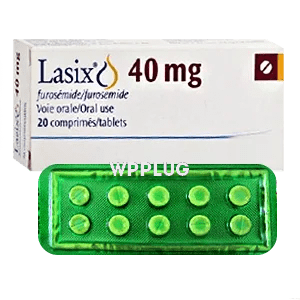
| Product dosage: 100mg | |||
|---|---|---|---|
| Package (num) | Per pill | Price | Buy |
| 60 | $0.77 | $46.06 (0%) | 🛒 Add to cart |
| 90 | $0.67 | $69.09 $60.08 (13%) | 🛒 Add to cart |
| 120 | $0.63 | $92.12 $75.10 (18%) | 🛒 Add to cart |
| 180 | $0.58 | $138.18 $105.14 (24%) | 🛒 Add to cart |
| 270 | $0.56 | $207.28 $150.20 (28%) | 🛒 Add to cart |
| 360 | $0.54
Best per pill | $276.37 $193.26 (30%) | 🛒 Add to cart |
| Product dosage: 40mg | |||
|---|---|---|---|
| Package (num) | Per pill | Price | Buy |
| 180 | $0.36 | $65.09 (0%) | 🛒 Add to cart |
| 270 | $0.35 | $97.63 $94.12 (4%) | 🛒 Add to cart |
| 360 | $0.34
Best per pill | $130.17 $121.16 (7%) | 🛒 Add to cart |
Synonyms | |||
Similar products
More info:
Furosemide: Potent Fluid Management for Edema and Hypertension - Evidence-Based Review
Furosemide represents one of the most significant therapeutic advances in managing fluid overload states. As a loop diuretic, it directly targets the thick ascending limb of the loop of Henle, creating a profound diuresis that can literally pull liters of fluid off a crashing patient within hours. I’ve watched this medication transform moribund, drowning-in-their-own-fluids patients into alert, conversant individuals within a single nursing shift. 1. Introduction: What is Furosemide? Its Role in Modern Medicine Furosemide belongs to the sulfonamide-derived loop diuretic class, first introduced in the 1960s and remaining a cornerstone of fluid management decades later.
aldactone
Spironolactone, commonly known by its brand name Aldactone, represents one of those fascinating pharmaceutical compounds that somehow managed to transcend its original purpose. Initially developed as a potassium-sparing diuretic back in the 1960s, this synthetic 17-lactone steroid has evolved into a multi-purpose therapeutic agent with applications spanning cardiology, endocrinology, and dermatology. What began as a simple diuretic has become a cornerstone in managing conditions as diverse as heart failure, hypertension, and even hormonal acne.
Arjuna: Evidence-Based Cardiovascular Support and Cardioprotection
Arjuna, derived from the bark of the Terminalia arjuna tree, has been a cornerstone in Ayurvedic cardiology for centuries. This botanical supplement, traditionally used to support heart function, contains a complex mixture of tannins, flavonoids, triterpenoid saponins, and minerals like calcium, magnesium, and zinc. Its primary modern application centers on cardiovascular wellness, particularly in managing various stages of heart failure, hypertension, and ischemic heart disease. The therapeutic potential of arjuna lies in its multifaceted pharmacological actions, including positive inotropic effects, antioxidant properties, and mild diuretic activity, which collectively contribute to its cardioprotective reputation.
Ceftin: Effective Bacterial Infection Treatment - Evidence-Based Review
Cefuroxime axetil, marketed under the brand name Ceftin among others, represents a critical second-generation cephalosporin antibiotic with a well-established role in clinical practice since its introduction. It’s a prodrug, meaning it gets converted to its active form, cefuroxime, in the body, which then exerts its bactericidal effects. Its significance lies in its expanded spectrum compared to first-generation agents, particularly its improved stability against beta-lactamases, the enzymes many bacteria produce to destroy penicillin and related antibiotics.
cystone
Cystone represents one of those interesting botanical formulations that bridges traditional Ayurvedic medicine with modern urological practice. When I first encountered this multi-herb preparation during my urology rotation in residency, I was frankly skeptical - another “natural remedy” with questionable evidence. But over fifteen years of clinical practice, I’ve developed a more nuanced understanding of where Cystone fits in our therapeutic arsenal, particularly for recurrent stone formers who’ve exhausted conventional approaches.
decadron
Decadron is the brand name for dexamethasone, a potent synthetic glucocorticoid medication belonging to the corticosteroid class. It’s been a cornerstone in medical practice for decades, not as a dietary supplement but as a critical pharmaceutical agent used to manage a wide array of inflammatory, autoimmune, and neoplastic conditions. Its role is so fundamental that its absence would create a significant void in therapeutic arsenals across specialties from oncology to rheumatology.
deltasone
Prednisone is a synthetic corticosteroid medication that mimics the effects of hormones your body naturally produces in your adrenal glands. It’s prescribed for a wide range of inflammatory and autoimmune conditions, from severe allergic reactions to managing flare-ups in diseases like rheumatoid arthritis and lupus. When we talk about deltasone, we’re usually referring to the brand name for this potent drug, which has been a cornerstone of anti-inflammatory therapy for decades.
empagliflozin
Empagliflozin represents one of the most significant advances in diabetes management in the past decade, though its journey from laboratory discovery to clinical practice reveals important nuances every prescribing clinician should understand. Initially developed as a sodium-glucose cotransporter 2 (SGLT2) inhibitor, this medication has demonstrated unexpected benefits beyond glycemic control that continue to reshape treatment paradigms. Empagliflozin: Cardiovascular and Renal Protection in Type 2 Diabetes - Evidence-Based Review 1. Introduction: What is Empagliflozin?
Frumil: Potassium-Sparing Diuretic Therapy for Hypertension and Edema - Evidence-Based Review
Product Description Frumil represents one of those foundational combination therapies in cardiovascular medicine that’s been around for decades but remains surprisingly relevant in specific patient populations. It’s essentially a fixed-dose combination tablet containing two active ingredients: frusemide (furosemide) 40mg and amiloride hydrochloride 5mg. What makes Frumil particularly interesting isn’t just its diuretic action, but the thoughtful potassium-sparing mechanism that addresses one of the most persistent problems in chronic diuretic therapy. We initially viewed it as just another antihypertensive option, but over years of clinical use, it’s proven itself particularly valuable in patients with comorbid conditions where electrolyte balance becomes critical.