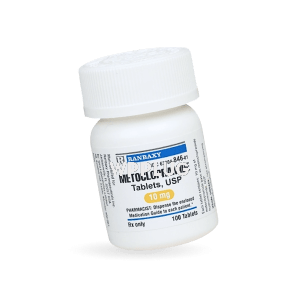
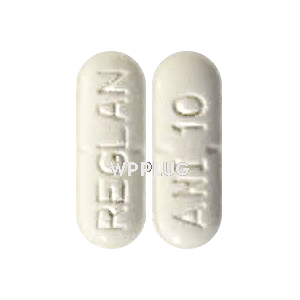
Metoclopramide is a dopamine receptor antagonist and 5-HT4 receptor agonist primarily used as an antiemetic and gastrointestinal prokinetic agent. Available in oral tablets, oral solution, and injectable formulations, this medication has been a workhorse in clinical practice for decades despite ongoing debates about its risk-benefit profile. 1. Introduction: What is Metoclopramide? Its Role in Modern Medicine Metoclopramide represents one of those foundational medications that every clinician needs to understand thoroughly. What is metoclopramide used for?
Artane, known generically as trihexyphenidyl, is an anticholinergic medication primarily used in the management of Parkinson’s disease and drug-induced extrapyramidal symptoms. It functions by blocking muscarinic acetylcholine receptors in the central nervous system, helping to restore the balance between dopamine and acetylcholine. Available in tablet form, typically 2 mg and 5 mg strengths, it represents a cornerstone in neurological therapeutic regimens, especially when patients exhibit poor tolerance to levodopa or require adjunctive therapy.
Compazine, known generically as prochlorperazine, is a phenothiazine derivative primarily used as an antiemetic and antipsychotic agent. First developed in the 1950s, it has maintained clinical relevance due to its potent dopamine D2 receptor antagonism, making it effective for managing nausea, vomiting, and certain psychiatric conditions. Available in oral tablets, suppositories, and injectable forms, Compazine represents a classic neuroleptic medication with a well-established role in both emergency and routine care settings.
Dostinex, known generically as cabergoline, is a potent dopamine receptor agonist medication primarily indicated for hyperprolactinemic disorders. It’s not your typical supplement - this is prescription-only pharmaceutical with specific, powerful endocrine effects that we’ve been working with since the 1990s. The way it selectively targets D2 dopamine receptors in the pituitary makes it particularly valuable for conditions where prolactin regulation has gone off the rails. Dostinex: Effective Prolactin Control for Hormonal Disorders - Evidence-Based Review 1.
Erythromycin represents one of the foundational macrolide antibiotics that fundamentally reshaped infectious disease management when introduced in the 1950s. Derived from Saccharopolyspora erythraea, this bacteriostatic antimicrobial continues to play crucial roles in both community and hospital settings despite the emergence of newer agents. Its unique spectrum and safety profile maintain its relevance across multiple specialties. 1. Introduction: What is Erythromycin? Its Role in Modern Medicine Erythromycin belongs to the macrolide class of antibiotics, characterized by a macrocyclic lactone ring structure that enables unique binding to bacterial ribosomes.
Fosfomycin is a broad-spectrum bactericidal antibiotic originally isolated from strains of Streptomyces fradiae. It’s structurally unique—a phosphonic acid derivative—and represents one of the few antibiotics in its class. Clinically, it’s primarily formulated as fosfomycin trometamol for oral use and fosfomycin disodium for intravenous administration. The oral formulation is heavily utilized for uncomplicated urinary tract infections (UTIs), particularly in cases where resistance to first-line agents like trimethoprim-sulfamethoxazole or fluoroquinolones is a concern.
I remember when we first started working with sumatriptan back in the early 90s - we had this migraine patient, Sarah, a 42-year-old teacher who’d been through every conventional treatment without consistent relief. Her migraines would completely incapacitate her for days, and she’d miss work regularly. When we introduced her to sumatriptan, the transformation was almost immediate - she described it as “having her life back.” That’s when I realized we were dealing with something fundamentally different from previous migraine treatments.
Domperidone, marketed under brand names including Motilium, represents one of those fascinating pharmacological tools that sits right at the intersection of gastroenterology and neuropharmacology. It’s a dopamine antagonist, but not your typical one - it’s got this peripheral selectivity that makes it uniquely useful for gut motility issues without crossing the blood-brain barrier in significant amounts. I remember first encountering it during my gastroenterology rotation back in medical school, watching our attending use it for diabetic gastroparesis patients who couldn’t tolerate metoclopramide’s CNS effects.
Promethazine hydrochloride is a phenothiazine derivative with potent antihistaminic, antiemetic, and sedative properties. First synthesized in the 1940s, it’s been a workhorse in clinical practice for decades, particularly for managing nausea, vomiting, allergy symptoms, and as a preoperative sedative. It’s available in various forms—tablets, suppositories, syrup, and injectable solutions—making it versatile across different patient populations and clinical settings. Despite newer agents emerging, promethazine remains relevant due to its efficacy, low cost, and broad mechanism of action.